


-

Add: HeBei ShengShi HongBang Cellulose Technology CO.,LTD.
-

Email
13180486930@163.com -

CONTACT US
+86 13180486930




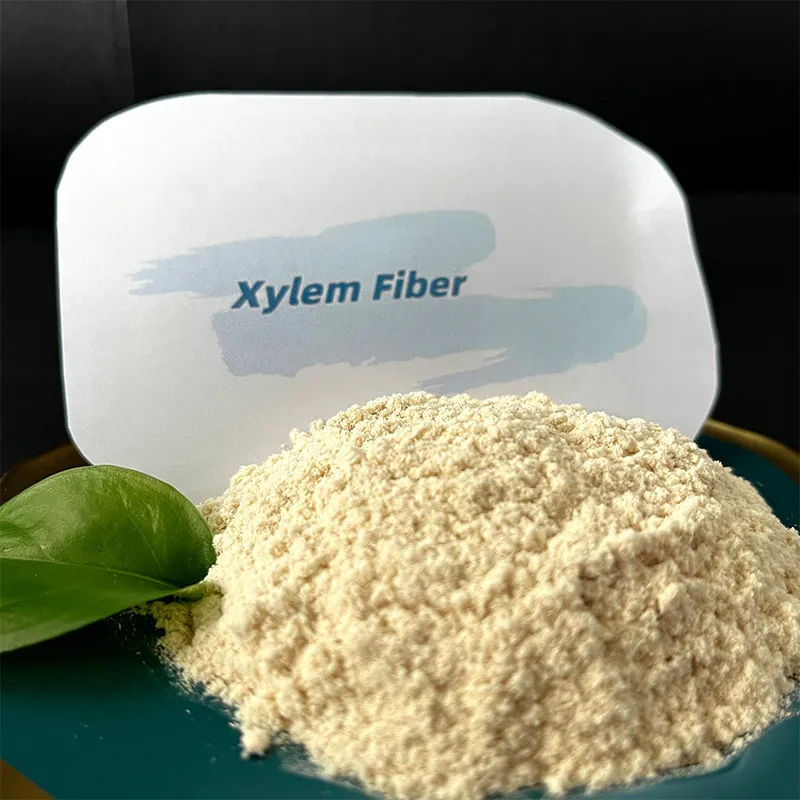
wood cellulose,xylem fiber,fibre made from wood pulp,cellulose extraction from wood,cellulose wood fibers is a key solution in the manufacturing industry, specifically within Paper and paper products industry and Pulp manufacturing. This article explores how HeBei ShengShi HongBang Cellulose Technology CO.,LTD. supports professionals with durable, high-performance products, and explains why this product is an ideal choice for businesses in these sectors. Table of Contents wood cellulose,xylem fiber,fibre made from wood pulp,cellulose extraction from wood,cellulose wood fibers Overview Benefits & Use Cases of wood cellulose,xylem fiber,fibre made from wood pulp,cellulose extraction from wood,cellulose wood fibers in Pulp manufacturing Cost, Maintenance & User Experience Sustainability & Market Trends in manufacturing Conclusion on wood cellulose,xylem fiber,fibre made from wood pulp,cellulose extraction from wood,cellulose wood fibers from HeBei ShengShi HongBang Cellulose Technology CO.,LTD. wood cellulose,xylem fiber,fibre made from wood pulp,cellulose extraction from wood,cellulose wood fibers Overview In pulp manufacturing, wood cellulose—often described as xylem fiber or cellulose wood fibers—forms the backbone of paper strength, formation, and runnability. As a fibre made from wood pulp, it is derived through controlled cellulose extraction from wood, typically via kraft or sulfite pulping, followed by mechanical refining, classification, and optional surface modification. The result is a clean, consistent fiber matrix engineered to optimize dry and wet strength, drainage, and filler retention across a wide range of grades. HeBei ShengShi HongBang Cellulose Technology CO.,LTD. supplies high-purity wood cellulose designed for industrial reliability and reproducibility. Typical technical parameters can include low ash content, neutral pH, controlled moisture, and tightly managed fiber length distribution to balance bonding with drainage. Many customers specify tailored properties—such as targeted freeness, fibrillation level, or brightness—to suit tissue, printing/writing, specialty, and packaging applications. For B2B decision makers, the relevance is clear: properly specified xylem fiber stabilizes wet-end chemistry, improves machine productivity, and reduces variability in downstream converting. Paired with application support from HeBei ShengShi HongBang Cellulose Technology CO.,LTD., mills can translate material performance into measurable operational gains and predictable product quality. Benefits & Use Cases of wood cellulose,xylem fiber,fibre made from wood pulp,cellulose extraction from wood,cellulose wood fibers in Pulp manufacturing Across pulp and paper operations, precision-engineered wood cellulose and xylem fiber deliver a portfolio of benefits. At the wet end, optimized fibrillation increases bonding potential, elevating tensile, SCT, and burst without excessive fines generation. These cellulose wood fibers also improve drainage and dewatering, supporting higher machine speeds and reduced steam demand in drying. In filled systems, they enhance filler retention and sheet formation, often enabling higher ash targets without compromising strength. Use cases include strength enhancement in recycled-fiber packaging, softness-to-strength balancing in tissue and towel, dimensional stability in printing/writing papers, and functional performance in specialty grades (from filtration papers to battery separators). When combined with starch, AKD/ASA, or synthetic latex systems, a fibre made from wood pulp can unlock synergistic strength and sizing performance. HeBei ShengShi HongBang Cellulose Technology CO.,LTD. brings process know-how that spans raw material selection, cellulose extraction from wood, and finishing operations that control fiber morphology. This expertise helps mills match fiber specifications to grade targets, seasonality, and furnish composition—minimizing trial time and accelerating ROI. Technical teams can advise on dosage windows, dispersion protocols, and compatibility with existing retention and wet-strength chemistries. Cost, Maintenance & User Experience Total cost of ownership for wood cellulose in pulp manufacturing hinges on more than price-per-ton. Mills evaluate the impact on chemical consumption, steam and power usage, machine runnability, and waste reduction. Consistent xylem fiber quality can reduce sheet breaks, stabilize basis weight, and increase first-pass retention—value drivers that translate into lower cost-per-ton of saleable paper. Operationally, modern cellulose wood fibers from HeBei ShengShi HongBang Cellulose Technology CO.,LTD. are engineered for easy handling. They are supplied in flow-friendly packaging with good dispersibility, reducing make-down time and minimizing equipment fouling. Customers in the Paper and paper products industry report smoother startups, predictable refiners’ energy profiles, and improved wet-end stability when switching to a fibre made from wood pulp with tighter spec control. From a user-experience standpoint, the combination of application support and reliable supply shortens trial cycles and limits unplanned downtime. The net effect is stronger, more uniform paper at equal or lower overall cost, plus the flexibility to pursue higher filler strategies or lighter basis weights—both proven pathways to enhanced ROI. Sustainability & Market Trends in manufacturing With demand growing for renewable, recyclable materials, wood cellulose is central to the industry’s decarbonization and circularity strategies. Derived from responsibly managed forests, xylem fiber aligns with market and regulatory expectations for bio-based content and improved end-of-life outcomes. As single-use plastics face increasing scrutiny, cellulose wood fibers enable new fiber-based packaging formats and barrier solutions without compromising performance. Regulatory momentum—from extended producer responsibility to evolving packaging directives—favors materials sourced through transparent cellulose extraction from wood. Mills increasingly seek suppliers who can support traceability, resource efficiency, and reduced environmental footprint. HeBei ShengShi HongBang Cellulose Technology CO.,LTD. invests in process improvements that target energy and water efficiency while prioritizing quality consistency. The company’s forward-thinking approach helps customers meet internal ESG targets and external compliance requirements. Market trends also point to premium growth in specialty papers, tissue, and lightweight packaging. By pairing application expertise with tailored fiber morphology, HeBei ShengShi HongBang Cellulose Technology CO.,LTD. helps producers innovate faster, reduce risk, and bring sustainable products to market at scale. Conclusion on wood cellulose,xylem fiber,fibre made from wood pulp,cellulose extraction from wood,cellulose wood fibers from HeBei ShengShi HongBang Cellulose Technology CO.,LTD. For pulp manufacturing leaders, wood cellulose—delivered as xylem fiber and other cellulose wood fibers—provides a proven route to higher strength, better runnability, and improved sustainability. With deep know-how in cellulose extraction from wood and precise control of fiber properties, HeBei ShengShi HongBang Cellulose Technology CO.,LTD. is a dependable partner for performance and value. Explore how a fibre made from wood pulp can unlock your next efficiency gain or product innovation. Contact us: email: 13180486930@163.com Visit our website: https://www.sshbhpmc.com
- 40000tons

Production
- 20+years

Experience
- 5000+㎡

Acreage

-
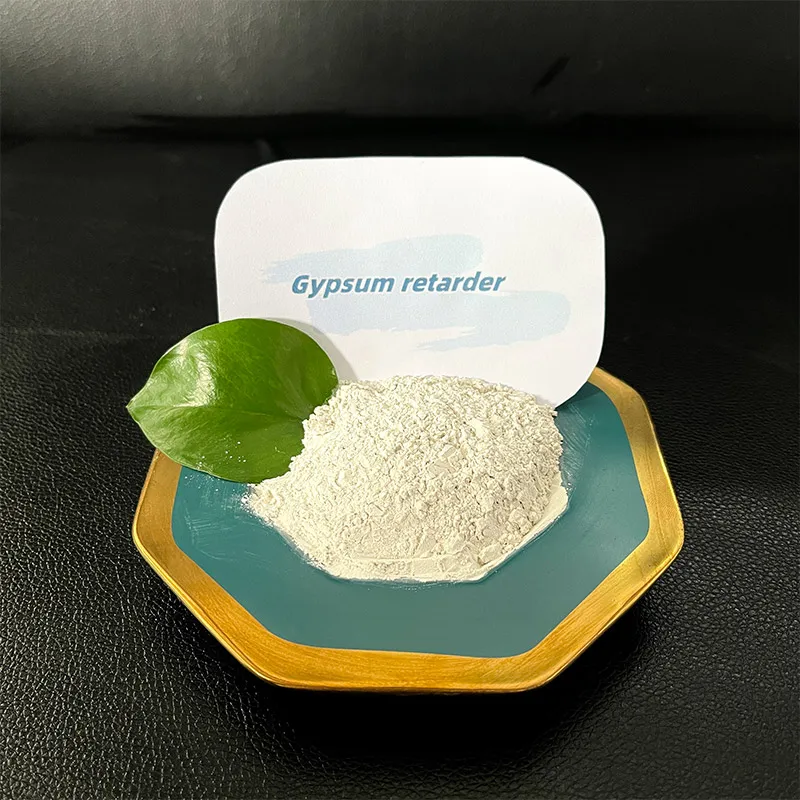
Retarders in gypsum are pivotal components that serve to adjust the setting time of gypsum-based products, providing ample workability and enhanced performance in various applications. Predominantly used in the construction industry, these retarders are instrumental in offering precise control over the hydration process of gypsum, thereby optimizing both the usability and the efficacy of the final product. One of the quintessential experiences when working with gypsum is managing its setting time. This is where retarders become invaluable . Without them, gypsum plaster would set too quickly, which can be problematic during applications requiring a more extended manipulation period. My first-hand experience in utilizing gypsum retarders has shown remarkable improvements in application efficiency, particularly in large-scale projects where precision is paramount. By incorporating retarders, the workability window is expanded, allowing for meticulous application without the stress of accelerated setting. In terms of expertise, understanding the chemical interaction between gypsum and retarders is critical. Retarders function by interfering with the crystallization process of calcium sulfate dihydrate, slowing down the conversion from hemihydrate to dihydrate. This expertise emerges as a critical factor in customizing gypsum products for specific needs. For instance, in decorative plasterwork, a more prolonged setting time is desirable to allow artisans enough time to create intricate designs. Consequently, selecting an appropriate retarder enhances the artisanal quality and reduces waste produced by premature setting. As an authoritative voice in the industry, my journalistic interactions with leading manufacturers and researchers underscore the importance of selecting high-quality retarders. These interviews have revealed that the most effective retarders are those derived from natural sources, such as citric acid or tartaric acid. These compounds not only effectively prolong the setting time but are also environmentally benign, promoting sustainable building practices. Furthermore, research publications consistently support the use of these natural retarders over synthetic alternatives, highlighting their superior performance and lower environmental impact. retarder in gypsum Trustworthiness in product description cannot be overstated, especially for those making decisions in procurement and application. Reliable gypsum retarders are backed by rigorous testing and certifications ensuring their effectiveness and safety. A key trust factor emerges from using products compliant with international standards, such as ISO regulations, which certify the performance consistency and quality assurance of the retarders. Trust is further reinforced by comprehensive usage guidelines provided by manufacturers, outlining the proportion of retarder to be used based on the gypsum's characteristics and environmental conditions, guaranteeing optimal results. A practical product application scenario involves using gypsum-based joint compounds in drywall installation. In my extensive use cases, incorporating retarders has proven to make a significant difference. The retarder ensures that the joint compound remains workable, allowing for a seamless application across extensive surfaces without the concern of irregular curing or cracking. This not only results in a professionally finished surface but also maintains structural integrity and aesthetic appeal over time. Moreover, as emerging technologies continue to integrate with construction methodologies, smart retarders are being developed to adapt to various environmental conditions. These advanced retarders adjust their performance based on temperature and humidity, providing a more predictable setting time regardless of external factors. This technological innovation propels gypsum products into a new era of reliability and functionality. In conclusion, retarders in gypsum products serve as indispensable tools in the modern construction landscape. Their ability to control setting times not only enhances application efficiency but also elevates the quality of the final product. With vast applications ranging from general construction to high-end decorative finishes, leveraging the experience, expertise, authority, and trustworthiness of properly selected retarders can lead to groundbreaking results and sustainable practices. As we embrace advancements within the industry, these additives will undoubtedly continue to play a critical role in shaping the future of construction materials, ensuring both performance excellence and environmental responsibility.
-
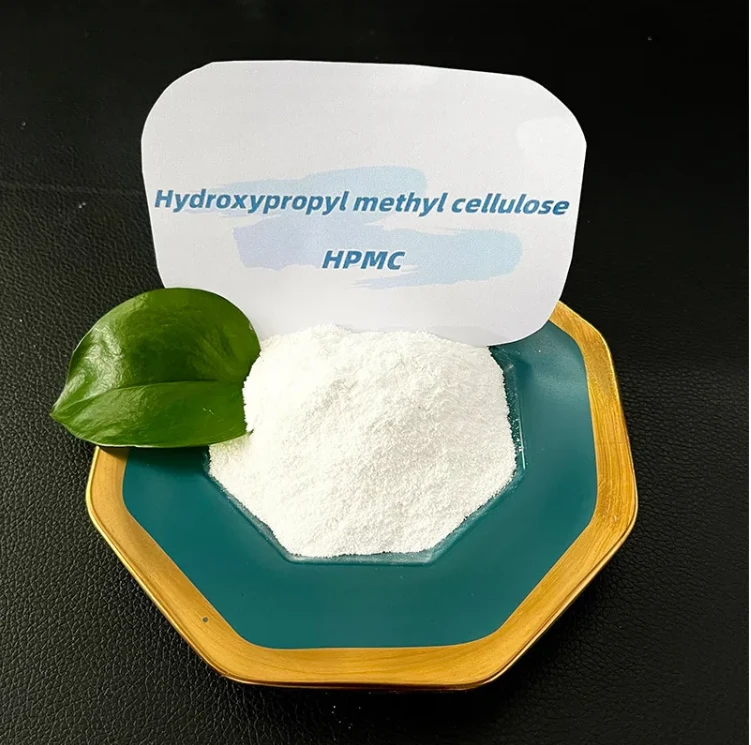
Choosing the right shampoo is essential for maintaining healthy hair and scalp. One emerging option in the realm of hair care is hydroxypropyl methylcellulose (HPMC) shampoo . This innovative product harnesses the unique properties of HPMC, a highly versatile cellulose derivative, to provide an unparalleled experience in hair cleanliness and care. Over the years, the effectiveness of HPMC in personal care products has been scientifically scrutinized and validated. Its role as a thickening agent renders it highly suitable for shampoo formulations, offering a rich consistency that ensures even distribution throughout the hair. This characteristic not only enhances the sensorial experience during application but also facilitates the efficient delivery of active ingredients to the scalp and hair strands. Moreover, HPMC shampoos excel in moisture retention, which is a direct benefit drawn from HPMC's ability to form a protective film around the hair shaft. This coating helps to lock in moisture, making the hair appear smoother, more lustrous, and reducing the likelihood of breakage and split ends. Such hydration is crucial, especially for individuals who frequently expose their hair to heat styling, chemical treatments, or environmental stressors. Expert haircare specialists frequently recommend hydroxypropyl methylcellulose shampoos for their role in maintaining scalp health. A well-hydrated scalp is less prone to issues like dryness and flakiness, often significant contributors to dandruff and irritation. By using HPMC shampoo, users benefit from a balanced scalp environment that supports hair growth and reduces excess oil without stripping essential oils away. hydroxypropyl methylcellulose shampoo Safety and bio-compatibility are paramount when considering any ingredient for personal care, and HPMC rises to the occasion with an impressive safety profile. Dermatologists and toxicologists recognize HPMC as non-irritating and non-allergenic, making it a top choice for sensitive individuals and those seeking hypoallergenic options. This ensures that users can trust in the product's safety and reliability over time. Brands utilizing hydroxypropyl methylcellulose in their shampoo formulas often combine it with other natural ingredients and botanicals, enhancing the product's efficacy and appeal. These well-curated combinations can address specific hair concerns, such as strengthening weak hair, volumizing limp locks, or adding a sheen to dull strands. User experience consistently reports satisfactory outcomes when using HPMC shampoos, highlighting improvements in texture, manageability, and overall hair appearance. Such firsthand accounts often affirm the product's ability to meet and exceed expectations, fostering loyalty and trust among consumers. In conclusion, hydroxypropyl methylcellulose shampoo heralds a new age in hair care, characterized by scientific advancements and consumer-friendly formulations. It exemplifies the balance between nature and innovation, setting the stage for future trends in hair care products that are both effective and safe. For those on the quest for superior hair care solutions, HPMC shampoo stands as a noteworthy contender, promising and delivering healthier, more radiant hair.
advantages
-

200000 Viscosities
Excellent product
We can produce pure products up to 200,000 viscosities
-

40000 tons
High yield
We don’t stop production all year round, and the annual output can reach 40,000 tons
-

24 hours
Quality service
We provide 24-hours online reception service, welcome to consult at any time
———— Inquiry Form
Schedule A services
-
 starch_ether_price
Oct . 25, 2025
Hydroxypropyl methylcellulose (HPMC) E50 is a versatile and highly valued polymer in various industr -
 apa_itu_selulosa_kayu
Oct . 25, 2025
Understanding the Properties of Hydroxypropyl Methylcellulose Hydroxypropyl methylcellulose (HPMC) i -
 hydroxypropyl_methyl_cellulose_hs_code
Oct . 25, 2025
Starch derivatives are a vital component in a myriad of industries, offering versatility and functio


